Source Serum Cosmetic Beads for Facial, Sunscreen, and Body Care
Find 30 listings for serum cosmetic beads, including cellulose and color-changing options. Compare specifications for facial, sunscreen, and body applications to identify suitable suppliers for your cosmetic raw material needs; compare the available evidence and request quotations based on your requirements.
Key considerations
Products List


Comprehensive Sourcing Guide
Serum Cosmetic Beads Sourcing Guide
Sourcing serum cosmetic beads requires a nuanced understanding of material science and formulation stability, as these ingredients serve as active delivery systems or aesthetic enhancers in high-end skincare. Buyers must distinguish between functional beads that release actives upon application and decorative elements that provide visual appeal or texture. The market offers a variety of forms, including cellulose-based beads and specialized gel structures, each with distinct solubility profiles and interaction properties with serum bases. Understanding these material differences is critical for selecting the right component for your specific product formula, ensuring that the beads do not destabilize the emulsion or alter the pH balance of the final serum.
Procurement strategies should focus on verifying the supplier’s ability to provide consistent particle size distribution and color uniformity, as these factors directly impact the sensory experience and visual consistency of the finished product. Many suppliers offer customization options, allowing brands to tailor bead size, color, and release mechanisms to match their brand identity. However, customization often introduces complexity in quality control, requiring rigorous testing to ensure that every batch meets the specified tolerances. Buyers should prioritize suppliers who demonstrate robust manufacturing processes and transparent communication regarding material composition, ensuring that the beads integrate seamlessly into the serum without causing separation or sedimentation issues over the product’s shelf life.
Product Scope and Observed Listing Signals
The current market landscape for serum cosmetic beads reveals a diverse range of product types, from simple cellulose beads to complex color-changing and oil-infused variants. Observed listings indicate a wide price range, reflecting differences in material quality, customization complexity, and minimum order quantities. Some suppliers offer basic cellulose beads in various colors, while others provide specialized products like colorlets or pearlets that change appearance upon application, adding a dynamic visual element to the serum. These variations cater to different market segments, from mass-market skincare to luxury beauty products, requiring buyers to align their sourcing decisions with their target audience’s expectations and price points.
Listing signals also highlight the importance of packaging and presentation, with many suppliers offering beads in bulk cartons or specialized containers to maintain product integrity. The presence of accessories like spray pumps and ABS lids in some listings suggests that certain suppliers provide complete packaging solutions, which can simplify the procurement process for brands looking for turnkey options. However, buyers must carefully evaluate whether these additional components are necessary for their specific needs, as they may add unnecessary cost or complexity. Understanding the full scope of what is included in the listing price is essential for accurate budgeting and avoiding unexpected expenses during the production phase.
Technical Specifications to Verify
Technical verification begins with confirming the material composition, as cellulose-based beads offer different properties compared to other polymer or glass alternatives. Buyers must verify the bead shape, size, and density to ensure compatibility with the serum’s viscosity and application method. Specifications such as model numbers and color variants provide a baseline for identification, but buyers should request detailed technical data sheets that outline solubility rates, thermal stability, and chemical resistance. These parameters are crucial for predicting how the beads will behave during manufacturing, storage, and final consumer use, ensuring that the product maintains its intended performance and aesthetic qualities throughout its lifecycle.
Color consistency and appearance are also critical technical specifications, especially for products that rely on visual appeal as a key selling point. Buyers should verify the color range available, from standard shades to custom mixes, and ensure that the supplier can maintain batch-to-batch consistency. Additionally, the presence of features like color-changing properties or oil-infusion capabilities requires specific testing protocols to validate performance. Buyers must work closely with suppliers to establish clear acceptance criteria for these technical attributes, including acceptable tolerances for size variation and color deviation, to prevent quality issues that could lead to customer dissatisfaction or product recalls.
Compliance and Safety Documentation
Compliance with international safety standards is non-negotiable for cosmetic ingredients, and buyers must ensure that all serum cosmetic beads meet relevant regulatory requirements in their target markets. This includes verifying that the materials used are approved for cosmetic use and do not contain harmful substances such as heavy metals or toxic dyes. Suppliers should provide comprehensive safety data sheets (SDS) and certificates of analysis (COA) that detail the chemical composition, purity levels, and any potential allergens. These documents are essential for risk assessment and regulatory filing, ensuring that the final product complies with local and international cosmetic regulations.
Certifications such as ISO standards indicate a supplier’s commitment to quality management and consistent production processes, but buyers must verify the scope and validity of these certifications. It is important to confirm that the certification covers the specific production facilities and processes used for the serum beads, as general certifications may not reflect the quality of the final product. Buyers should also inquire about the supplier’s testing protocols for microbial contamination, stability, and compatibility with other ingredients. Establishing a clear framework for compliance documentation early in the sourcing process helps mitigate regulatory risks and ensures a smoother path to market entry.
Cost Drivers and Commercial Terms
Cost drivers for serum cosmetic beads include material costs, customization complexity, minimum order quantities (MOQ), and packaging requirements. Basic cellulose beads in standard colors and sizes typically have lower costs and MOQs, while custom-colored, sized, or functionally enhanced beads command higher prices due to the additional processing and quality control involved. Buyers must carefully evaluate the trade-off between customization and cost, considering whether the added value justifies the increased expense. Understanding the pricing structure, including any setup fees for custom orders or volume discounts, is essential for accurate budgeting and maximizing profit margins.
Commercial terms such as payment conditions, lead times, and shipping arrangements also significantly impact the total cost of ownership. Buyers should negotiate favorable terms that align with their cash flow and production schedules, ensuring that they have sufficient inventory to meet demand without tying up excessive capital in stock. It is also important to consider the logistics of importing these materials, including duties, taxes, and transportation costs, which can vary depending on the supplier’s location and the buyer’s import regulations. Establishing clear commercial terms and maintaining open communication with suppliers helps prevent misunderstandings and ensures a smooth procurement process.
Supplier Qualification and Quality Control
Supplier qualification involves a thorough assessment of the supplier’s manufacturing capabilities, quality control systems, and track record in the cosmetic industry. Buyers should request samples for testing and evaluation, assessing factors such as bead consistency, color accuracy, and integration with serum formulations. It is also important to verify the supplier’s ability to scale production to meet your volume requirements without compromising quality. Suppliers with established quality control processes, including in-process inspections and final product testing, are more likely to deliver consistent and reliable products, reducing the risk of production delays or quality issues.
Quality control should extend beyond the initial sample approval to include ongoing monitoring of production batches. Buyers should establish clear quality standards and inspection protocols, including acceptable limits for size variation, color deviation, and impurity levels. Regular audits of the supplier’s facilities and processes can help ensure that quality standards are maintained over time. Additionally, buyers should maintain open communication with suppliers to address any quality concerns promptly and collaboratively. Building a strong partnership with a qualified supplier fosters trust and ensures a steady supply of high-quality serum cosmetic beads for your products.
Long-Term Procurement Checks
Long-term procurement success depends on continuous monitoring of supplier performance, market trends, and regulatory changes. Buyers should regularly review supplier performance metrics, including on-time delivery, product quality, and responsiveness to issues, to ensure that the partnership remains beneficial. It is also important to stay informed about emerging trends in cosmetic ingredients, such as new bead technologies or sustainable material options, to keep your products competitive. Regularly updating your supplier base and exploring alternative sources can help mitigate risks associated with supply chain disruptions or price volatility.
Regulatory landscapes for cosmetic ingredients are constantly evolving, and buyers must stay vigilant to ensure ongoing compliance. This includes monitoring changes in ingredient restrictions, labeling requirements, and safety standards in your target markets. Maintaining up-to-date compliance documentation and working closely with regulatory experts can help ensure that your products remain compliant and avoid potential legal issues. By proactively managing these long-term factors, buyers can build a resilient and sustainable supply chain that supports the growth and success of their cosmetic brands.
FAQs
What materials are used for serum cosmetic beads?
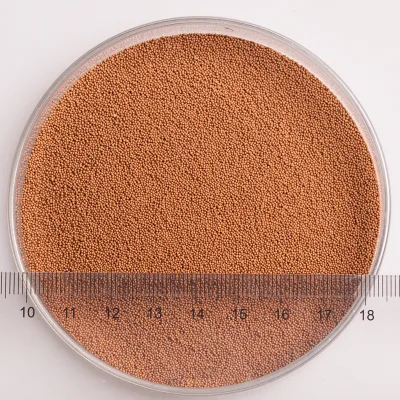
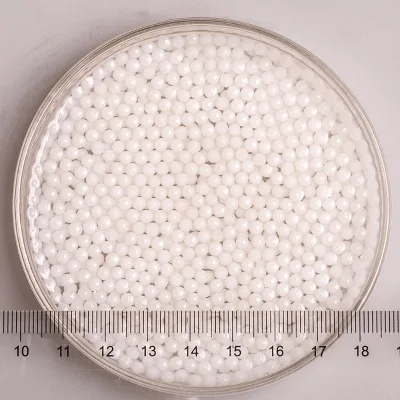
The primary material used for these cosmetic beads is cellulose. Some listings also categorize the material as others, indicating potential variations in composition. These beads are designed to serve as cosmetic raw materials for facial and body applications. The cellulose-based formulation ensures they function effectively as color change beads or oil beads within various skincare products.
Can these beads change color in formulations?
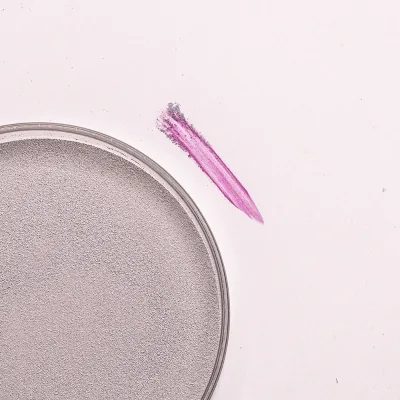
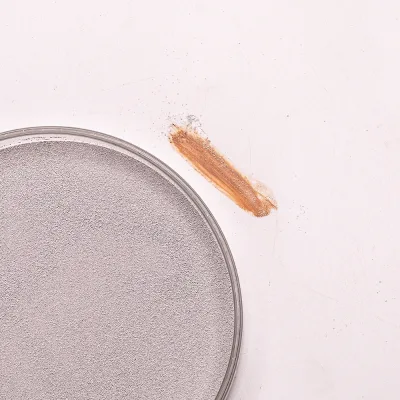
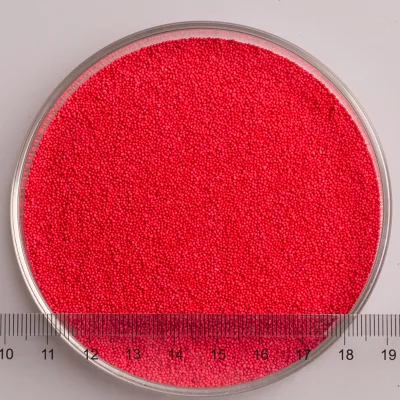
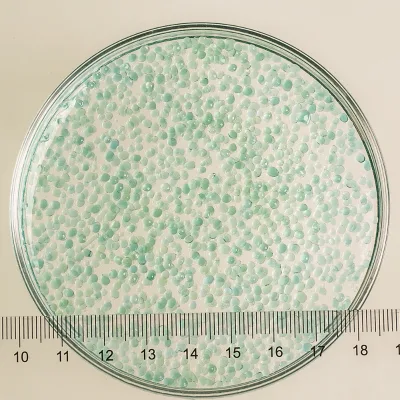
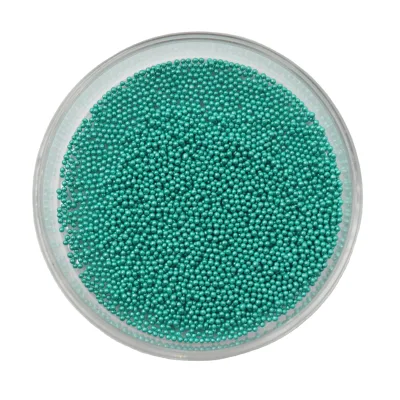
Yes, specific models like Colorlets and Pearlets are designed to change color. They appear in shades ranging from white to purple, red, black, ivory, or green. This feature makes them suitable for use in foundations and sunscreens. The color change property allows for dynamic visual effects in cosmetic liquids, enhancing the aesthetic appeal of the final product.
What is the typical weight and packaging for these beads?
The standard selling unit weight is 1kg per package. The beads are packed in cartons for safe transport and storage. This packaging format supports bulk purchasing for manufacturers. The selling units are sold as multiples of one or two, depending on the specific supplier configuration. This ensures consistent quantity delivery for industrial cosmetic production needs.
Where are these cosmetic beads manufactured?
These beads are manufactured in China, with specific origins noted in Chongqing and Anhui provinces. The production location ensures access to established supply chains for cellulose and other raw materials. Buyers can source directly from these regions to leverage local manufacturing capabilities. The origin details help in assessing logistics and potential shipping routes for international procurement.
Are certifications available for these cosmetic raw materials?
Yes, ISO certification is available for some of the cosmetic raw materials. This indicates adherence to specific quality management standards. Buyers seeking verified suppliers can look for products with documented ISO compliance. This certification adds a layer of trust regarding the manufacturing process and product consistency for global cosmetic brands.
What shapes and forms do these beads take?
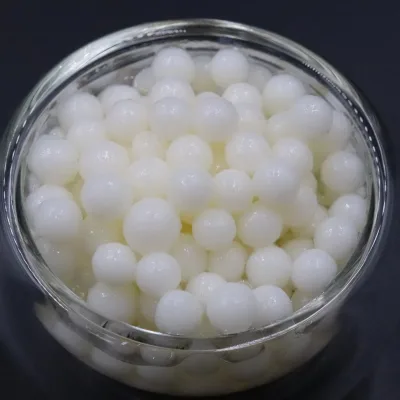
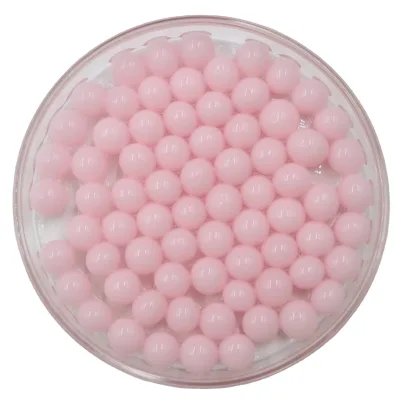
The beads are typically round in shape and come in little size bead forms. They are described as gel-type or softlets, suitable for various cosmetic applications. The round shape ensures uniform dispersion in liquid formulations. This physical form factor is critical for achieving consistent texture and performance in serums and other skincare products.